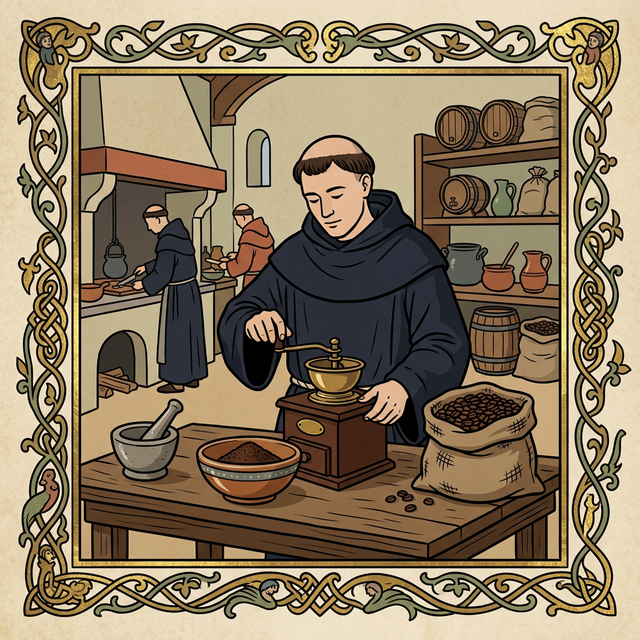
Every coffee bag offers the choice: whole bean or ground. Most buyers pick ground because it's easy — no grinder needed, just scoop and brew. But is whole bean actually worth the extra step?
The short answer: Yes, significantly.
What Happens When Coffee Is Ground
The moment a coffee bean is cracked open, three things begin:
- Oxidation — oxygen reacts with the bean's compounds, dulling flavor
- Moisture loss — the exposed surface area releases volatile oils and aromatics
- CO2 degassing — the gas trapped during roasting escapes rapidly
A whole bean has a relatively small surface area exposed to air. Once ground, that surface area increases by 10,000x. The clock starts ticking fast.
The Freshness Timeline
| Format | Peak Freshness | Acceptable | Stale |
|---|---|---|---|
| Whole Bean | 3-14 days after roast | 14-30 days | 30+ days |
| Pre-Ground | First 30 minutes | 1-7 days | 7+ days |
The Bottom Line
If you're investing in specialty-grade, monk-roasted coffee — the kind with real flavor complexity — grinding fresh is the single biggest thing you can do to taste it properly. It's the difference between hearing a symphony live and hearing it through a phone speaker.