In an age obsessed with earthly credentials, intellectual dominance, and visible success, Holy Mother Church presents to us on September 18th a heavenly advocate who possessed none of these terrestrial triumphs. Saint Joseph of Cupertino (1603–1663), revered throughout Christendom as the "Flying Friar," stands across the centuries as a striking witness to the divine paradox articulated by Saint Paul: "God chose the foolish things of the world to shame the wise; God chose the weak things of the world to shame the strong." (1 Cor 1:27).
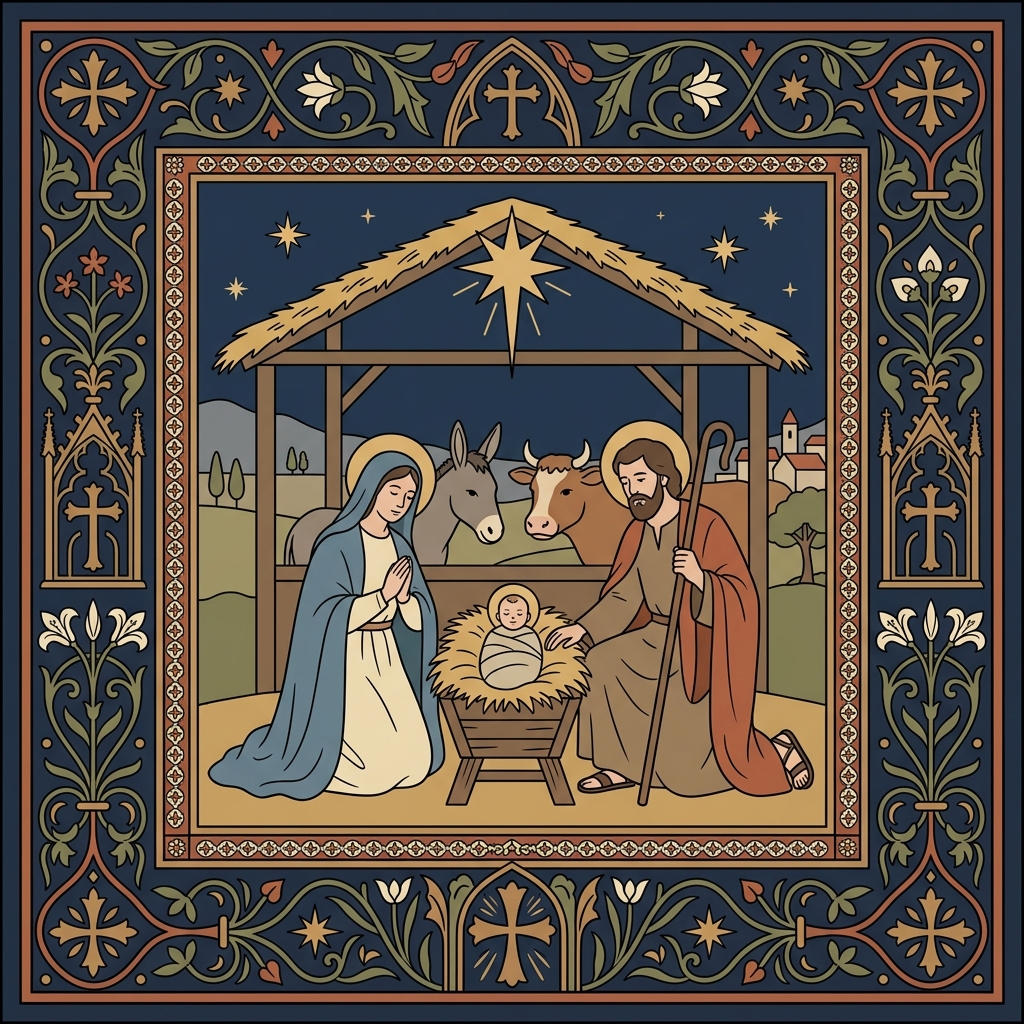
Born in a humble shed in Cupertino, Italy, Joseph’s early years were marked by profound clumsiness, poor health, and an apparent inability to grasp basic learning. Forgotten by his peers and rejected by several religious orders who deemed him utterly unsuited for monastic life, he bore the painful epithet of Boccaperta—"the gaper"—for his tendency to wander in absent-minded wonder. Yet beneath an exterior that the world judged deficient lay a soul perfectly emptied of self-love, waiting only to be filled by the Holy Spirit.
The Dulled Instrument Refined by Grace
When Joseph was finally accepted as a lay brother among the Conventual Franciscans—assigned to the humble care of the monastery mule—his profound spirit of penance, obedience, and gentleness became impossible to hide. The superiors, discerning a deep supernatural virtue beneath his awkward demeanor, directed him toward the priesthood.
Studies proved an agonizing mountain for Brother Joseph. He could master only a single scriptural passage for his theological examinations: the gospel verse, "Blessed is the womb that bore thee." Yet divine Providence intervened with holy irony. During his deaconate examination, the bishop asked him to discourse upon that very text, which Joseph executed with burning devotion. When the time arrived for his final sacerdotal examination, the bishop, overwhelmed by the exceptional brilliance of the first candidates examined, admitted the remaining brothers without further questioning. Joseph passed into the sacred priesthood on the virtues of his brethren and the mystery of God’s grace.
Saint Joseph famously remarked of his own intellect: "My soul is like a dull blade that cannot cut without the sharpener's wheel. I am an ass, but Christ rides me into Jerusalem."
Ecstasy and the Levitations of Love
Once ordained, the supernatural life within Saint Joseph blazed forth with astonishing visibility. The mere mention of the name of Jesus, the sight of a sacred image, or the soft melody of a Marian hymn would instantly ravish his soul. In these moments of intense mystical union, the physical bonds of earthly gravity seemed to dissolve entirely.
Before hundreds of witnesses—including skeptical cardinals, nobles, and fellow friars—Joseph would rise into the air, flying toward the high altar, the tabernacle, or into the branches of olive trees in the monastery garden. These levitations were not mere wonders for amusement, but the physical overflowing of a heart pulled violently toward its Divine Center. As Saint Thomas Aquinas taught, love naturally elevates the soul toward the Beloved; in Joseph, that spiritual reality spilled over into the material realm.
Yet these extraordinary gifts brought Joseph intense suffering. He was isolated, subjected to inquisitorial investigations, and forced to spend decades in secluded cloisters far from the public eye. Never did he murmur against his superiors. In total submission to the Church, he found his sanctuary in the holy Will of God, writing: "He who has faith has no fear; he who trusts in God has everything."
Lessons for the Striving Soul
For the modern believer navigating a competitive and often overwhelming world, the life of Saint Joseph of Cupertino offers three enduring remedies for our spiritual anxiety:
- The Sanctification of Inadequacy: Joseph reminds us that our human limitations do not disqualify us from holiness. When we feel incompetent, overlooked, or outmatched by the demands before us, our weakness becomes the very canvas upon which God exhibits His power.
- Holy Simplicity: In our pursuit of complex answers, we often overlook the primary truth: God desires our undivided heart. Intellectual gifts are noble servants, but charity is the sovereign queen of all virtues.
- Radical Abandonment: Saint Joseph ascended into the heights because he carried no weight of worldly ambition, pride, or resentment. The less we cling to ourselves, the lighter our souls become in the hands of divine love.
As we honor this gentle Franciscan mystic, let us ask for his heavenly intercession—not only for students facing daunting exams, but for all who feel weighed down by the heavy burden of earthly worries.
Reflection Question
In what area of your life are you relying on your own intellect and effort, rather than surrendering your weakness to the gravity of Christ’s love?