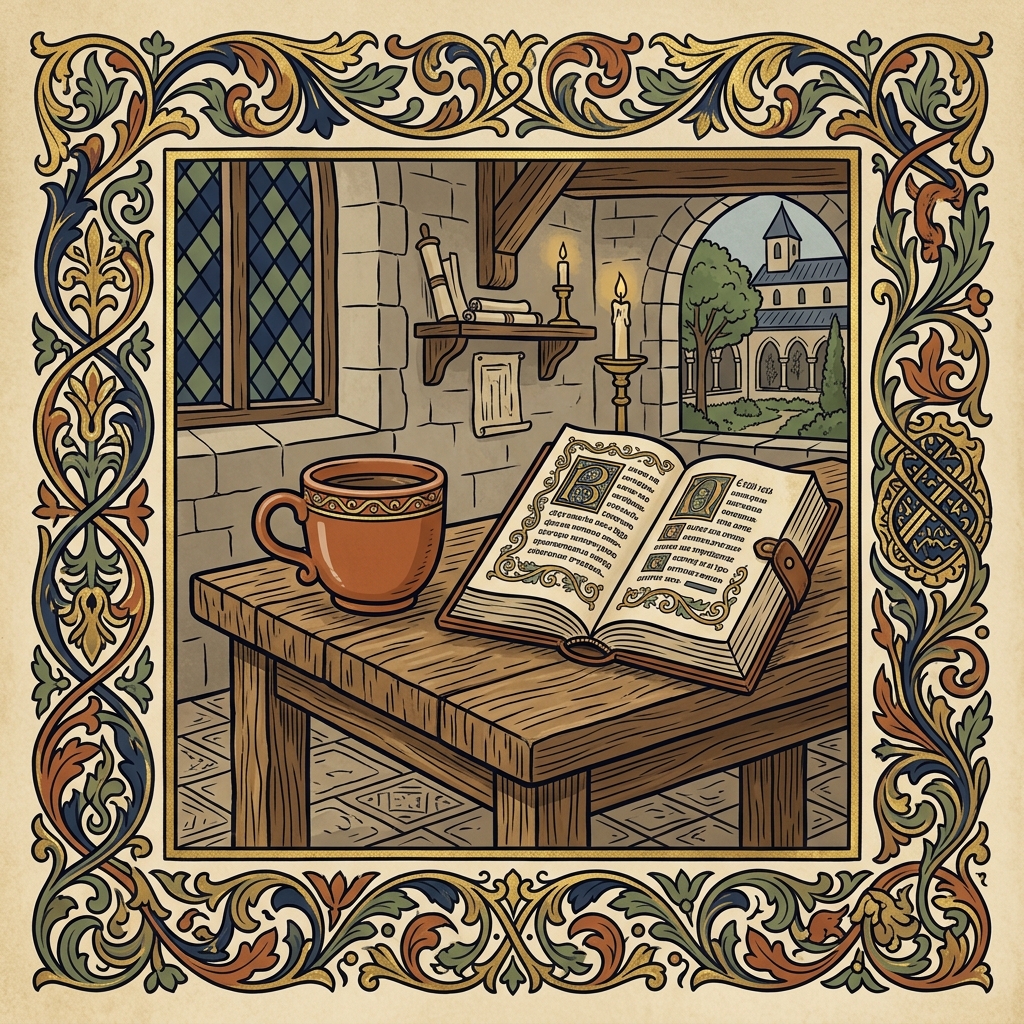
In a world often prone to the fleeting and the ephemeral, the enduring beauty of Catholic craftsmanship stands as a beacon, inviting us to behold the sacred made manifest. For centuries, devout artisans, moved by faith and guided by tradition, have dedicated their hands and hearts to the creation of objects that not only serve the Church but also elevate the soul. These are not mere crafts; they are prayers made tangible, sacred art woven into the very fabric of our worship and daily devotion.
The Genesis of Sacred Craftsmanship
From the earliest days of Christianity, the Church has been a patron and preserver of the arts. Monasteries, especially, became vibrant centers of creation, where the monastic injunction of *Ora et Labora* — prayer and work — found its deepest expression. Benedictine monks, for instance, were pioneers in manuscript illumination, vestment making, and carpentry, understanding that manual labor, when offered to God, becomes a form of contemplation and worship. The medieval guilds, too, though secular in their structure, were often deeply imbued with Christian piety, their members striving for excellence *ad majorem Dei gloriam* – for the greater glory of God.
This tradition springs from a profound theological truth: God Himself is the ultimate Artisan, the Creator of all that is good and beautiful. Humanity, made in His image, participates in this creative act. When a Catholic artisan carves, paints, sews, or molds, they are, in a sense, echoing the Divine Architect, shaping the raw materials of creation into instruments of grace and beauty for His Kingdom.
Hands That Pray: Rosaries, Icons, and Vestments
The Rosary: A Prayerful Cord
Consider the humble Rosary, a string of beads that has guided countless souls through prayer and contemplation. Each bead, whether carved from olive wood, formed from crystal, or handcrafted from bone, becomes a tactile companion in the meditation on the mysteries of Christ's life and Mary's intercession. The making of a rosary is itself an act of devotion, each knot tied or bead threaded with an intention, ensuring that the finished article is imbued with spiritual significance long before it reaches praying hands. It is a tangible reminder of the spiritual warfare and grace that are the daily bread of every Catholic.
Icons: Windows to Heaven
In the Eastern traditions of the Church, and increasingly cherished in the West, icons are not merely religious paintings; they are "windows to heaven," sacred images through which we encounter the divine. The iconographer, often fasting and praying throughout the arduous process, does not merely paint *of* the saint, but paints *with* the saint. Every color, every stroke, every traditional detail is laden with theological meaning, guided by ancient canons passed down through generations. These sacred images, infused with prayer and rich symbolism, invite veneration, drawing the beholder into a deeper communion with the celestial realm they portray.
Sacred Vestments: Clothing the Liturgy in Splendor
The vestments worn by priests during the Holy Sacrifice of the Mass are another profound example of sacred craftsmanship. Woven from fine silks, adorned with intricate embroidery, and often rich in symbolic colors and motifs, these garments transcend mere utility. They transform the priest, setting him apart for the sacred function of *alter Christus* – another Christ – as he stands at the altar. The careful selection of fabrics, the precise stitching, and the theological significance of each design elevate the act of creating them into a liturgical art, preparing the very setting for encountering the Lord.
The Enduring Light: Beeswax Candles
Even a seemingly simple item like a beeswax candle carries profound spiritual weight. Pure beeswax, a product of the industrious and pure bee, has long symbolized the purity of Christ and His Mother. As it burns, it consumes itself to give light, mirroring Christ's self-sacrifice on the Cross. Traditionally, these candles are used from Baptism to Extreme Unction, marking the spiritual journey of a Catholic. Crafting these candles involves careful preparation, infusing each one with the intention to illuminate altars, homes, and hearts with the Light of Christ.
The Artisan's Offering: A Timeless Vocation
The Catholic artisan understands their work not as a means to earthly gain alone, but as an offering to God. Their skill, diligence, and creativity are gifts to be cultivated and returned to the Giver. This dedication ensures that each piece is crafted with integrity, enduring quality, and a spirit of reverence that far surpasses industrial production. As Pope Emeritus Benedict XVI eloquently stated:
“Beauty, therefore, is not a mere aesthetic factor, but a way by which truth touches us, and through which we are initiated into faith, into the mystery of Christ.”
Indeed, through these sacred crafts, truth and beauty intertwine, touching our senses and leading our souls heavenward. They remind us that the Incarnation – God becoming flesh – sanctifies all matter, making it capable of bearing grace.
A Call to Cherish and Support
In our modern age, there is a renewed appreciation for the handmade, the authentic, and the spiritually resonant. Supporting Catholic artisans is not merely an economic act; it is an affirmation of faith, a preservation of sacred tradition, and an investment in the spiritual enrichment of our Church and our homes. It allows these traditions to flourish, ensuring that future generations can continue to find tangible expressions of the divine in the crafted objects that accompany their spiritual journeys.
At Sanctus Mission, we believe in fostering a deep and abiding Catholic formation that touches every aspect of life. Just as these artisans pour their devotion into their craft, we strive to pour foundational truths and spiritual richness into your daily walk with Christ. Let us seek out and cherish the works of these dedicated souls, allowing their sacred artistry to draw us ever closer to the beauty and truth of God. Let us support those who, with their sacred hands, help us to behold eternity.