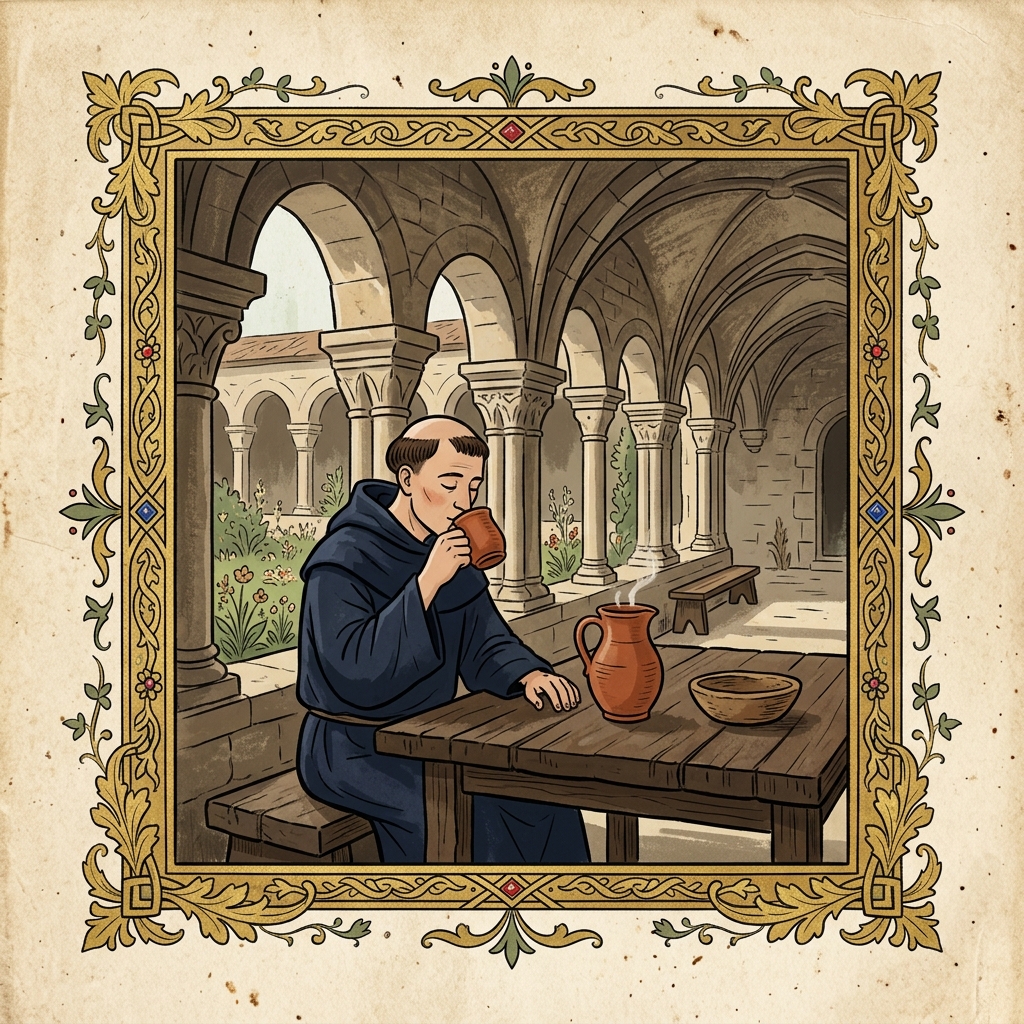
On this thirtieth day of September, the Church commemorates Saint Jerome, that formidable doctor who spent his earthly days in the quiet cavern of Bethlehem, translating the Holy Oracles into the Latin Vulgate. It was Jerome who left the Church an enduring warning and a radiant promise: “Ignorance of the Scriptures is ignorance of Christ.” In an age filled with ambient noise and fleeting words, the Catholic faithful are summoned once more to return to the sacred parchment—not as casual readers seeking mere information, but as pilgrims entering a royal sanctuary.
Sacred Scripture is no ordinary book. It is the breath of the Holy Ghost recorded in human accents, a divine love letter penned by the Creator to His beloved creature. To approach the Bible in the tradition of the Fathers is to embark upon an encounter with a Person: Jesus Christ, the eternal Word made flesh.
The Four Steps of the Sacred Ascent
In the twelfth century, a Carthusian monk named Guigo II set down the classical structure of Lectio Divina—the “Divine Reading.” He envisioned it as a ladder reaching from earth to Heaven, composed of four distinct rungs: Lectio (Reading), Meditatio (Meditation), Oratio (Prayer), and Contemplatio (Contemplation).
This ancient rhythm remains the primary method by which Catholics can digest the living bread of God’s Word:
- Lectio (Reading): We take up the sacred text with reverent attention, reading slowly and repeatedly. We ask, What does the text say in itself? We listen as a servant listens to the command of a King.
- Meditatio (Meditation): We chew upon the passage, turning it over in the mind and heart like a sweet morsel. We ask, What does this text say to me today? Here, the truth penetrates our understanding and illuminates our memory.
- Oratio (Prayer): Moved by the truth revealed in meditation, our hearts overflow into speech. We ask, What do I say to the Lord in response to His Word? We offer thanksgiving, contrition, petition, and praise.
- Contemplatio (Contemplation): Having spoken, we rest silently in the presence of the Beloved. We abandon our own words and allow God to transform our hearts by His grace. It is a quiet gaze of love between the soul and God.
“When you pray, you speak to the Bridegroom; when you read, He speaks to you.”
— Saint Jerome
Scripture as a Fortress in Times of Confusion
The medieval mind understood that the human soul is a battlefield, constantly besieged by worldly vanities and spiritual warfare. Sacred Scripture was seen not merely as devotional reading, but as an indispensable shield and a sharp sword. Saint Augustine, whose conversion was sealed when he heard a child’s voice chanting “Tolle, lege” (“Take up and read”), taught that Scripture is the sure guide through the wilderness of mortality.
When we steep our intellects daily in the Holy Gospels, our minds are slowly conformed to the mind of Christ. The distorted values of the secular world lose their hypnotic power. In their place, the eternal truths of Catholic faith take deep root: the reality of divine mercy, the necessity of personal sanctity, and the glory of the life to come.
Restoring the Monastic Heart in Daily Life
One need not retreat to a Carthusian cell to practice Lectio Divina. The domestic church—the Catholic home—can become a monastery of prayer. By carving out fifteen minutes of quiet each morning or evening, opening the Gospels, and ascending these four sacred rungs, any Christian can cultivate a profound inner stillness.
Begin by invoking the Holy Ghost. Choose a short passage—perhaps the Gospel from the day’s Holy Mass. Read it slowly, without hurry. Allow a single phrase to catch your heart, and let that phrase become your companion throughout the day.
Through this faithful discipline, the ancient words written upon calfskin centuries ago become a living voice speaking directly into your present trials and triumphs.
Reflective Question for Contemplation: How might you open the Sacred Page today, not merely to gather information, but to encounter the living Person of Jesus Christ?