In the dim, hallowed hours before the sun breaches the horizon, the world is wrapped in a profound and monastic silence. The house is entirely still. For the faithful soul, this unbroken quiet is not merely an absence of noise, but a canvas upon which the Holy Spirit paints the first graces of the day. Here, in the shadows of the early morning, the kitchen becomes a domestic cloister, and the simple, rhythmic ritual of brewing coffee transforms into an act of physical and spiritual preparation.
The Baptism of the Bitter Bean
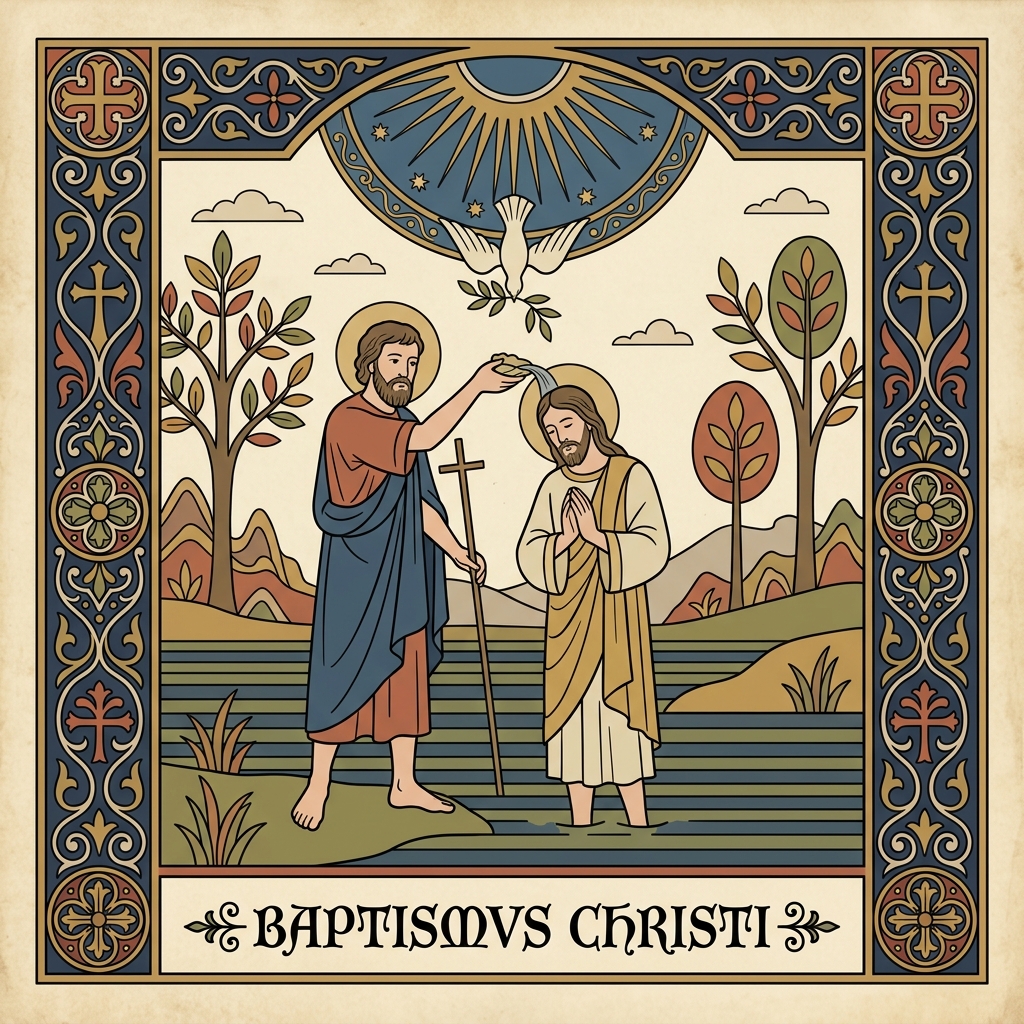
It is a delightful piece of Catholic history that we owe the very presence of coffee in our morning routines to the wisdom of the Church. When the dark, exotic brew first arrived on the shores of Europe in the late sixteenth century, some cautious souls condemned it as the "bitter invention of Satan." They brought the matter before Pope Clement VIII, expecting a swift prohibition. Yet, upon tasting the rich, invigorating draft, the Holy Father famously declared, "This devil's drink is so delicious... we should cheat the devil by baptizing it!"
In this papal blessing, coffee was elevated from a suspect novelty to a companion of Christian vigilance. The Church, in her perennial wisdom, recognizes that the material world is inherently good, capable of being sanctified and used to draw us closer to the Creator. A cup of coffee is no longer just a mere beverage; it is a baptized instrument that sharpens the mind and prepares the heart for the rigors of morning prayer.
The Crucible of the Grind
There is a profound spiritual alchemy in the making of coffee, one that mirrors the interior life of the Christian disciple. Consider the journey of the humble coffee bean. To release its rich, hidden flavors, it must first endure the fierce heat of the roaster. Then, it must be violently crushed and ground in the burr of the mill. Only after it is utterly broken can the rushing, boiling water draw out its essence to produce a life-giving cup.
We, too, shrink from the heat of trials and the crushing weight of our daily crosses. Yet, the great medieval mystics and ascetics knew that mortification—the dying to oneself—is the absolute prerequisite for spiritual sweetness. As we listen to the grinding of the beans in the quiet of the morning, we are reminded of the words of Saint Ignatius of Antioch, who, facing his own martyrdom, declared:
"I am the wheat of God, and let me be ground by the teeth of the wild beasts, that I may be found the pure bread of Christ."
Though our daily grind is rarely as dramatic as the arena of Rome, the small mortifications of our vocation—waking early, bearing with patience the demands of our state in life, enduring the friction of daily duties—are the crucible through which the grace of God draws out the virtue hidden within our souls.
Vigilance and the Dark Night
For centuries, monks have relied on the dark brew to maintain their vigilance during the long watches of the night, chanting the Psalms while the rest of the world slumbered. There is an intrinsic link between coffee and the scriptural command to "stay awake." Our Lord warns us to keep our lamps lit, for we know neither the day nor the hour when the Bridegroom will arrive (Matthew 25:13).
As we pour the dark, steaming liquid into our favorite earthen mug, we might also recall the Carmelite spirituality celebrated in this month of July. Saint John of the Cross spoke profoundly of the "Dark Night of the Soul"—that harrowing, stripping obscurity through which God leads the soul into the unapproachable light of union with Him. St. John wrote:
"O guiding night! O night more lovely than the dawn! O night that has united the Lover with His beloved, transforming the beloved in her Lover."
The dark, robust depths of our morning coffee can serve as a sensory reminder that God is often most powerfully at work in the darkness. When our prayer feels dry, when the consolations of faith seem absent, we must remain vigilant. We sit in the quiet chair, the warmth of the mug seeping into our palms, trusting that the dawn of Christ's presence will eventually pierce the shadows.
The Holy Pause
As the steam rises from the cup—much like incense ascending before the Lord (Psalm 141:2)—we are invited into a holy pause. Before the inbox demands our attention, before the clamor of the day's obligations shatters the stillness, we take the first sip. We open the Scriptures, or the daily readings of the Missal, and we allow the Word of God to wash over us.
In a world that prizes frantic productivity, sitting in silence with a cup of coffee and the presence of God is a remarkably rebellious, fundamentally Catholic act. It is a declaration that our primary identity is not found in what we can produce, but in whose we are. We are sons and daughters of the Most High, invited to drink deeply from the wellspring of His grace.
Reflection Question: How might you intentionally transform the hurried routine of your morning coffee into a sacred pause, creating a daily "domestic cloister" where Christ can speak to your heart before the world awakens?