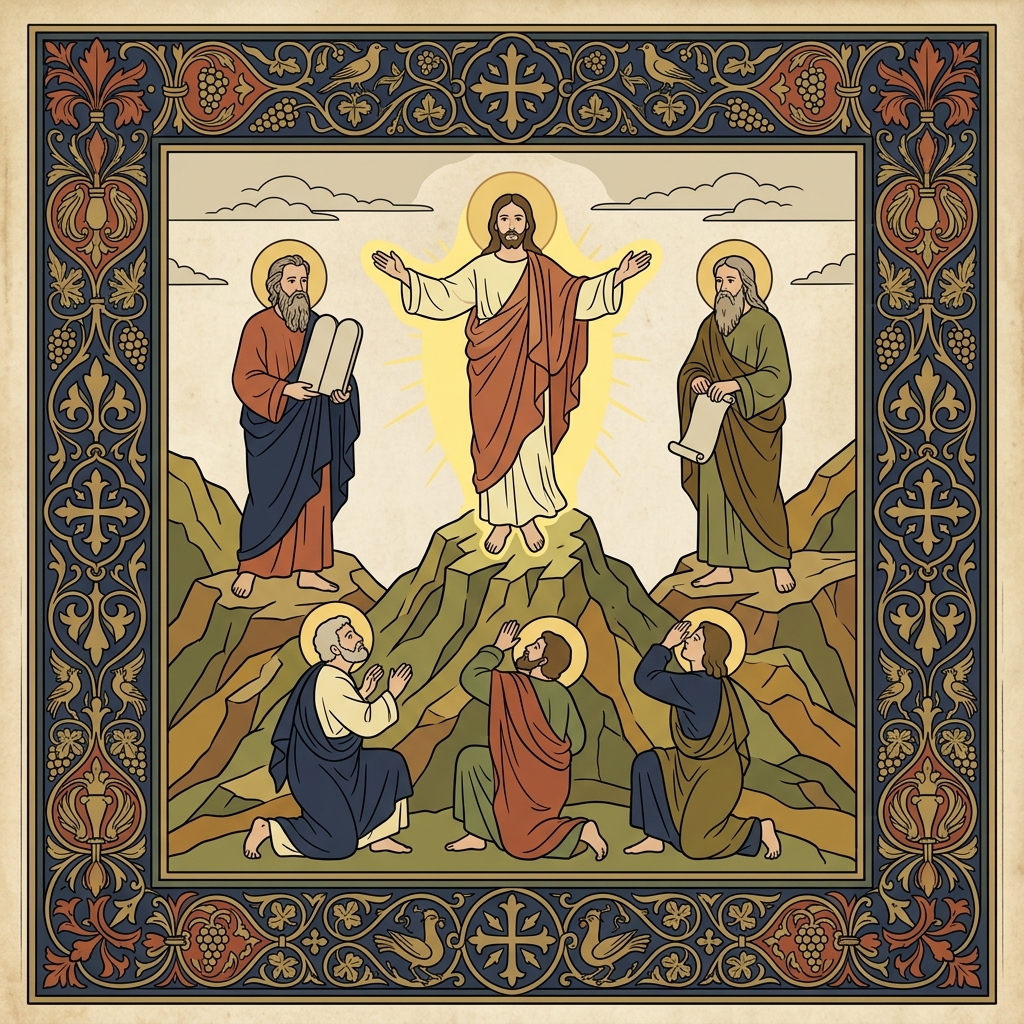
In an era enamored with the cold, ephemeral glare of digital screens, the workshop of Julian Vance stands as an enclave of eternal illumination. Tucked away in a stone-clad studio where the scent of melting rosin and soldering flux hangs heavy in the air, Julian labors in a tradition that predates the printing press. He is a master glazier, an artisan of stained glass who weaves silica, metal, and fire into what the medievals called the Biblia pauperum—the Bible of the poor.
To cross the threshold of his studio is to step out of the frantic modern epoch and into the measured, rhythmic cadence of a medieval guild. Dust motes dance in the shafts of sunlight that pierce the clerestory windows, coming to rest on massive oak workbenches covered in charcoal sketches, strips of lead came, and shards of jewel-toned glass.
The Theology of Illumination
For Julian, the craft of stained glass is not merely an artistic endeavor; it is a profound theological act. The great Gothic architects understood that a church building was a microcosm of the New Jerusalem, and the windows were its crown jewels.
"The dull mind rises to truth through that which is material, in seeing this light, is resurrected from its former submersion." — Abbot Suger of Saint-Denis
"Suger understood something that we have largely forgotten," Julian explains, wiping a layer of chalk dust from a brilliant pane of cobalt glass. "A solid wall protects, but it also isolates. Glass, however, is a paradox. It shields the sanctuary from the wind and rain, yet it permits the heavens to enter in the form of light. In a very real sense, stained glass is a physical manifestation of grace—it is the uncreated light of God passing through the created world, illuminating the saints and the stories of our salvation."
Dust, Lead, and the Artisan's Crucible
The creation of a sacred window is a grueling, intensely physical liturgy. Julian eschews the shortcuts of modern commercial glassworks, preferring the noble imperfections of mouth-blown antique glass. Each sheet possesses its own unique character—tiny seeds of trapped air, subtle striations, and variations in thickness that will eventually bring the finished window to life by refracting light in unpredictable, glorious ways.
With a hardened steel wheel, Julian scores the glass, following the sweeping lines of his cartoon (the full-scale working drawing). He holds the glass in his calloused hands and applies a firm, precise pressure. A satisfying crack echoes through the studio as the glass yields to the score.
"Glass is an unforgiving master," Julian remarks with a wry smile, holding up a beautifully shaped piece of ruby glass, colored with true gold oxide. "It shatters if you force it. It demands to be guided, not conquered. There is a deep spiritual discipline in learning to score and break the glass. It is a daily lesson in cooperating with grace rather than imposing my own will. If I am anxious or angry, the glass knows, and it will break wildly."
Once the pieces are cut, they are assembled like a massive, fragile puzzle. Julian weaves them together using lead came—H-shaped strips of metal that form the dark, striking outlines characteristic of medieval windows. The lead is the skeleton; the glass is the flesh. Together, they are soldered into a unified, enduring whole.
The Kiln of Sanctification
Before the final assembly, however, the glass must be painted. Julian uses traditional vitreous enamels—a mixture of ground glass, metallic oxides, and a binder—to paint the delicate features of faces, the folds of garments, and the intricate foliage of the borders.
These painted pieces are then placed into the roaring heat of the kiln. In this fiery crucible, the pigment melts and permanently fuses with the surface of the glass.
"The firing process is the ultimate metaphor for sanctification," Julian reflects, peering into the glowing orange heart of the kiln. "The glass must pass through the fire to make the image permanent. If the heat is too low, the image will eventually wash away. If it is too high, the glass will warp and melt. God works on our souls in much the same way. He allows us to pass through the crucible of trials so that the image of Christ painted upon our souls might become permanent, fused to our very being."
Windows into the Eternal
On this particular July afternoon, Julian is putting the finishing touches on a majestic rose window depicting the Annunciation. The Archangel Gabriel, rendered in iridescent wings of emerald and gold, bows before the Blessed Virgin, who is cloaked in deep Marian blue.
Yet, as the window lies flat upon the work table, it appears surprisingly dull. The lead is gray; the glass is dark and lifeless. It is only when Julian and his apprentice carefully hoist the heavy panel upward, lifting it against the high studio window, that the miracle occurs.
As the afternoon sun strikes the panel, the dormant materials suddenly explode into a symphony of living color. The reds burn with the fire of charity; the blues deepen into a profound, mystical stillness. The dark lead lines, rather than detracting from the beauty, provide the necessary contrast that makes the colors sing.
"Without the sun, my work is nothing but dark lead and dull stone," Julian muses, his face bathed in the colored light pouring through the Virgin's mantle. "It is only when the light of heaven strikes it that it lives. I think that is the truest definition of a Catholic artisan. We do not create the light; we merely spend our lives preparing the vessel to receive it."
Reflection Question: If the majestic stained glass window requires the piercing rays of the sun to reveal its hidden glory, what heavenly light is waiting to shine through the fractured, lead-bound fragments of your own life today?