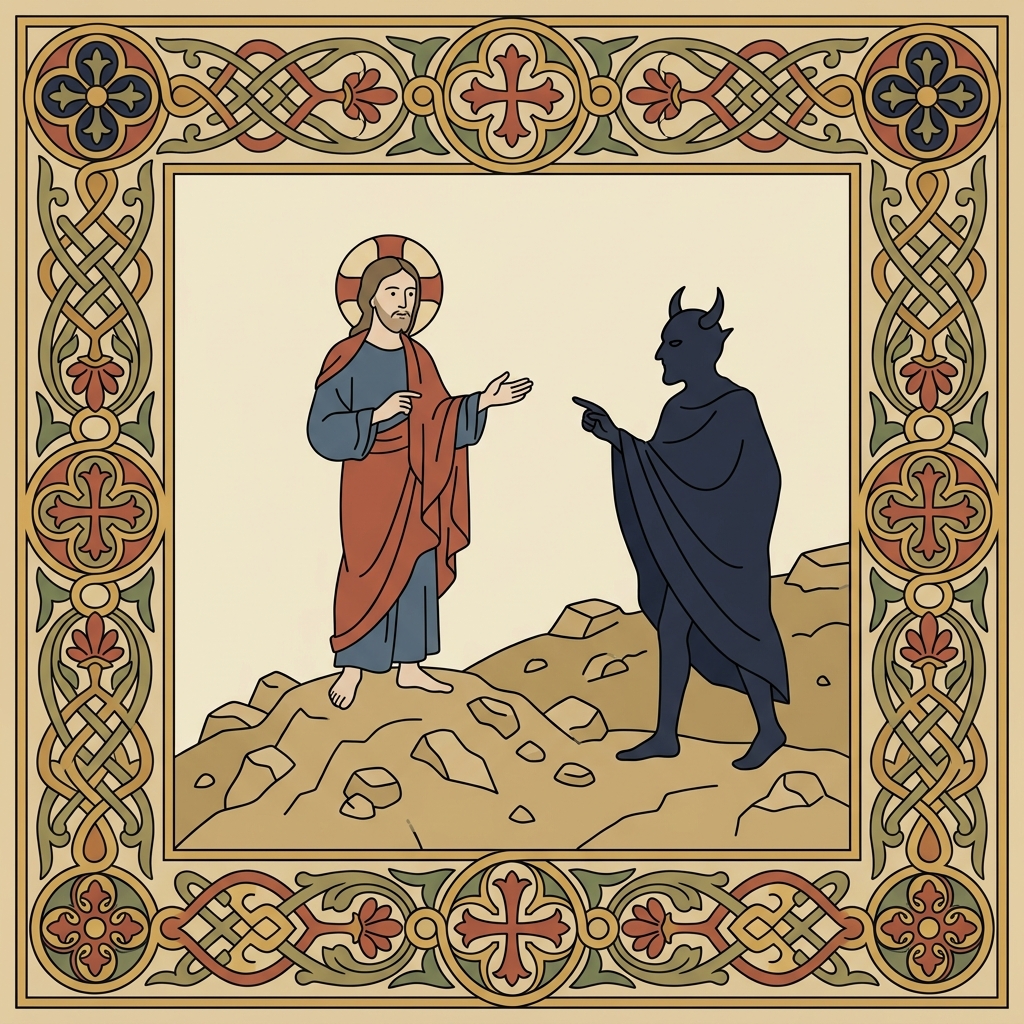
In a quiet workshop nestled amidst rolling green hills, where the morning light filters through tall arched windows, Master Julian Vane sits before an angled drafting desk. Spread across his board is a sheet of smooth calfskin vellum. On his worktable lie small stone jars containing powdered cinnabar, ground malachite, pure lapis lazuli imported from distant quarries, and thin leaves of twenty-four-karat gold. There are no digital screens here, no mechanical presses—only goose quills, camel-hair brushes, and a stillness punctuated by the steady rhythm of a soul at prayer.
Master Julian is a sacred illuminator, one of a small brotherhood of contemporary Catholic artisans keeping alive the noble medieval tradition of manuscript illumination. For him, the crafting of a sacred text is not merely an artistic endeavor, but a profound exercise in liturgical devotion and incarnational theology.
The Theology of the Written Word
In the Catholic tradition, the sacred page is never a mere medium for passing information; it is a monument to the Incarnation. When God spoke His eternal Word into time, the Divine took on human flesh. Likewise, when the Church transcribes the Holy Scriptures or the texts of the Sacred Liturgy, she has historically adorned those words with the finest treasures of the created order.
“When we illuminate a capital letter,” Julian explains, dipping a fine brush into liquid gum arabic, “we are declaring to the eyes what the soul believes: that the Word of God is living, radiant, and divine. The gold does not merely decorate the vellum; it catches the candlelight of the sanctuary and reflects it back to the faithful, reminding them that divine truth illuminates our earthly darkness.”
Every raw material utilized in the scriptorium bears symbolic weight. The parchment comes from the flock, recalling the Paschal Lamb. The gold originates in the depths of the earth, refined by fire as the soul is refined by trial and grace. The pigment binder comes from the humble egg, an ancient symbol of resurrection and new life. In this way, all of creation—mineral, animal, and vegetable—is gathered into the artisan's workshop to be redeemed and transformed into a sanctuary of praise.
This devotion echoes the timeless prayer of Saint Augustine, whose feast the Church approaches: “Late have I loved thee, O Beauty ever ancient, ever new, late have I loved thee!” For Julian, every drop of lapis lazuli pigment—traditionally reserved for the mantle of the Blessed Virgin Mary because of its celestial hue and immense cost—is an act of love offered directly to the Creator.
Patience, Breath, and Sacred Gold
The process of medieval manuscript illumination demands a degree of patience almost incomprehensible to the modern mind. Preparing a single page for a solemn altar missal can require weeks of painstaking labor. First comes the ruling of the parchment, followed by the calligraphy laid down in iron gall ink made according to centuries-old monastic recipes.
Then comes the most delicate phase: gilding. Julian applies a raised base of traditional gesso, breathes upon it gently—for the subtle moisture of human breath is needed to reactivate the binder—and carefully lowers a sheet of leaf gold using a badger-hair brush. Once set, the gold is burnished with a dog’s tooth or polished agate stone until it shines with the brilliant clarity of a mirror.
“To lay gold leaf, you must learn to hold your breath,” Julian observes with a quiet smile. “If you exhale too sharply, the gold vanishes into the air like smoke. It teaches an artisan true poverty of spirit. You learn that sacred beauty cannot be forced or rushed; it must be received with gentle, trembling hands.”
Only after the gold is burnished are the vibrant egg-tempera paints applied. Naturally sourced earth pigments create colors that will not fade, even after a thousand years. illuminated manuscripts produced in monastic scriptoria during the Middle Ages remain as luminous today as when the monks first laid down their brushes.
Restoring Beauty to the Sanctuary
In an age dominated by disposable media and fleeting digital images, the work of the sacred illuminator offers a potent antidote to spiritual triviality. By restoring noble craftsmanship to liturgical books and altar manuscripts, artisans like Julian remind the faithful that the worship of God demands our very best efforts and finest materials.
As Sacred Scripture reveals, God filled the craftsmen Bezalel and Oholiab with “the Spirit of God, with wisdom, with understanding, with knowledge and with all kinds of skills—to make artistic designs for work in gold, silver and bronze” (Exodus 31:3-4). The art of the sacred illuminator is a living continuation of that same biblical calling—a ministry of beauty ordered entirely toward the altar.
Currently, Julian is completing a solemn Gospel Book commissioned for a newly dedicated parish church. For three months, he has labored over the opening initial of the Gospel according to Saint John: In principio erat Verbum (“In the beginning was the Word”). Embedded within the gold filigree of the letter are winding vines bearing clusters of grapes, pointing directly to the Holy Eucharist.
“We do not create these manuscripts for museum display cases,” Julian says, adding the final touch of vermilion ink to a border of acanthus leaves. “They belong on the altar of the Lord. When the priest elevates the Gospel book or turns its pages during the Holy Sacrifice of the Mass, the visible beauty of the book leads the human heart directly into the invisible glory of God.”
A Reflection for the Faithful
How might we, in our own daily state in life, offer our patient labor and finest talents to God, transforming our ordinary duties into a work of sacred beauty for His divine glory?